The most common complaint about a planner is that the pen goes through the page. That is a compatibility problem, and it is predictable from two numbers: paper weight and the type of ink.
Three things that go wrong
Ghosting
You can see the writing from the reverse side, but the ink has not passed through. Cosmetic. Almost unavoidable on paper under 80 gsm and generally acceptable.
Bleed-through
Ink physically passes through and marks the reverse page. This ruins the other side and is the one that matters.
Feathering
Ink spreads along the paper fibres so lines look furry and fine writing closes up. Caused by absorbent, loosely sized paper rather than by weight alone.
Ink types, from safest to riskiest
Ballpoint — safest
Oil-based, thick, minimal absorption. Works on almost any paper including cheap planner stock. The trade-off is a less pleasant line and occasional blobbing.
Pencil — equally safe
No ink at all, and it erases, which suits planning where things move. Smudges over time, so not ideal for a permanent record.
Gel — usually fine
Water-based with a thicker pigment. Smoother than ballpoint and generally acceptable on 80 gsm and above. Fine-tip gel pens are usually safe; broad ones can bleed on thin paper. Gel is also slow to dry, which matters for left-handed writers.
Fineliner and rollerball — depends
Water-based and freer flowing. On good paper they are excellent; on thin planner paper they bleed. Test on the back page before committing.
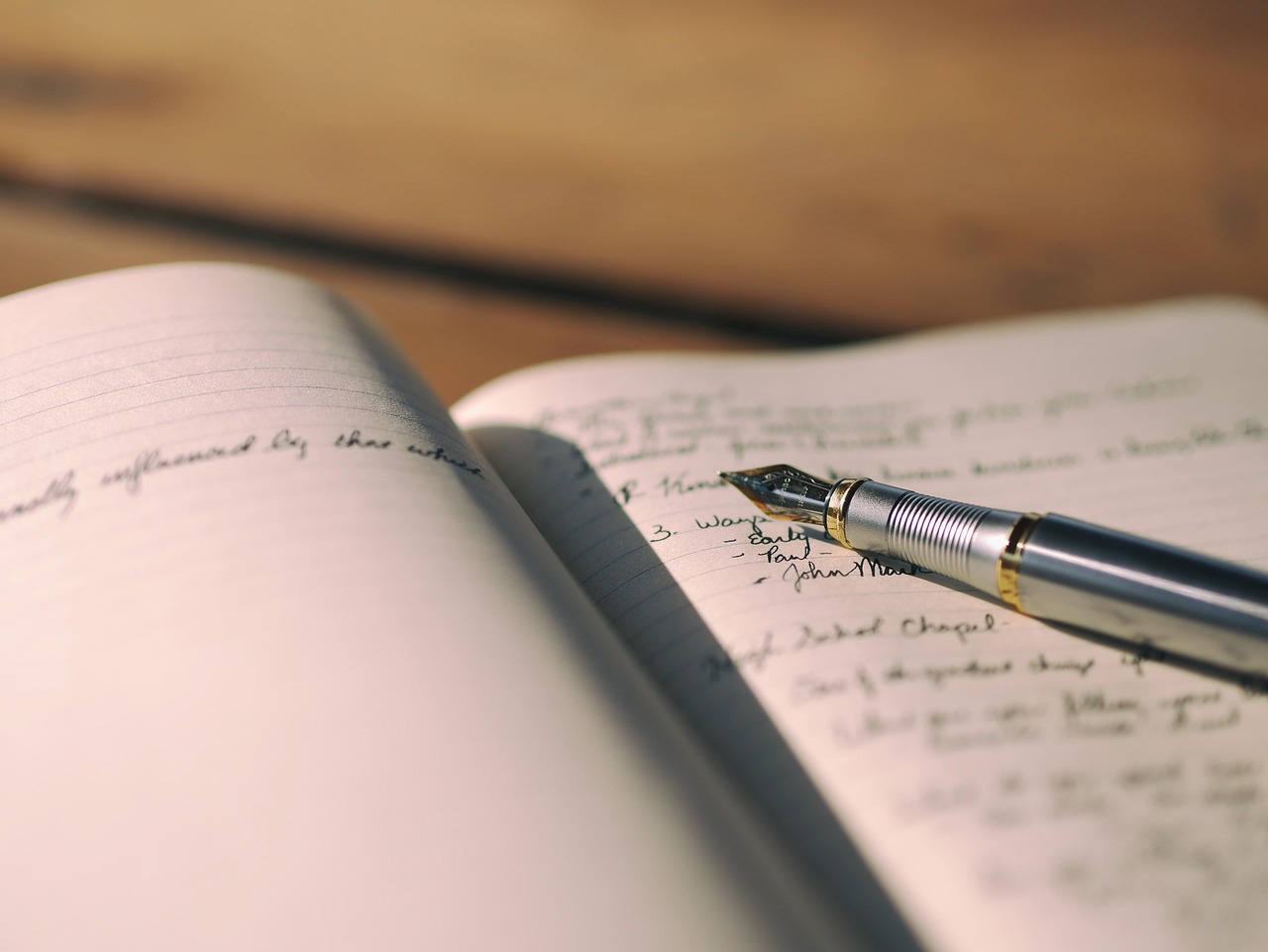
Fountain pen — most demanding
Needs paper that is well sized as well as reasonably heavy. Some 80 gsm papers handle fountain pen beautifully and some 100 gsm papers feather badly, because sizing matters as much as weight.
If you use a fountain pen, look for paper described as fountain-pen friendly, and prefer a finer nib and a drier ink on unknown paper.
Marker and highlighter — riskiest
Highlighters over water-based ink smear it. If you highlight, either use a dry highlighter or let ink dry fully first. Alcohol markers bleed through almost anything under 120 gsm.
Matching to weight
- Under 70 gsm: ballpoint or pencil.
- 70–90 gsm: ballpoint, pencil, fine gel, fine fineliner.
- 90–110 gsm: most pens, including many fountain pens.
- Over 110 gsm: anything, including markers.
Test properly
Use the last page of the planner. Write a line, wait thirty seconds, and turn over. Testing on the first page tells you nothing you want to know.
Test every pen you intend to use, not just the main one. The highlighter is usually the one that causes the problem.
Left-handed writing
Drying time matters more than bleed. Quick-drying gel pens and ballpoints smudge least. Spiral binding on the left is also worth avoiding — a left-hander writing on the right-hand page rests their hand on the spiral.
If your planner is already thin-papered
Use a fine ballpoint and write on one side only where it matters. Or slip a card behind the page you are writing on — it will not stop bleed, but it protects the sheet beneath.
What we publish
Where the manufacturer states paper weight, our listings carry it. Where they do not, we say so rather than guess. Browse the range or ask us about a specific planner.